OTT Streaming Platform Infrastructure: Surviving Live Events
OTT platforms rarely fail under steady VOD traffic. They fail during a live event or a sudden traffic spike, because that’s the one moment where
© Copyright 2026 SIRAYA All Rights Reserved.
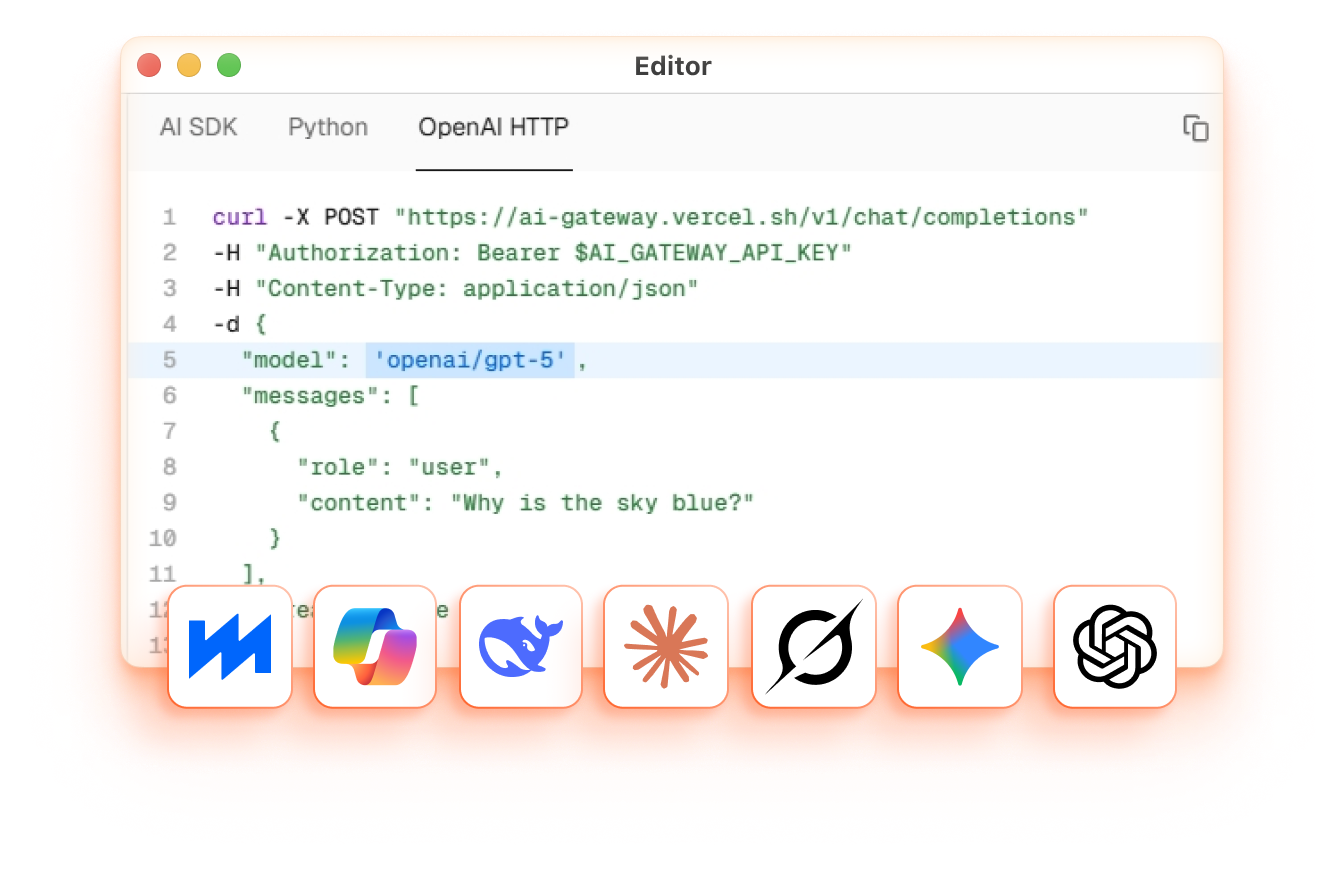
Access global AI models through a unified API, enabling cost-controlled multi-model orchestration and governance, backed by enterprise-grade SLA to ensure production reliability.
Related Products
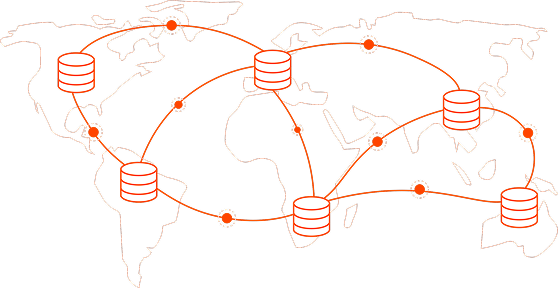
Support growth on a reliable multi-cloud foundation with global public cloud services and managed databases & cache, designed to scale smoothly without adding operational complexity.
Related Products
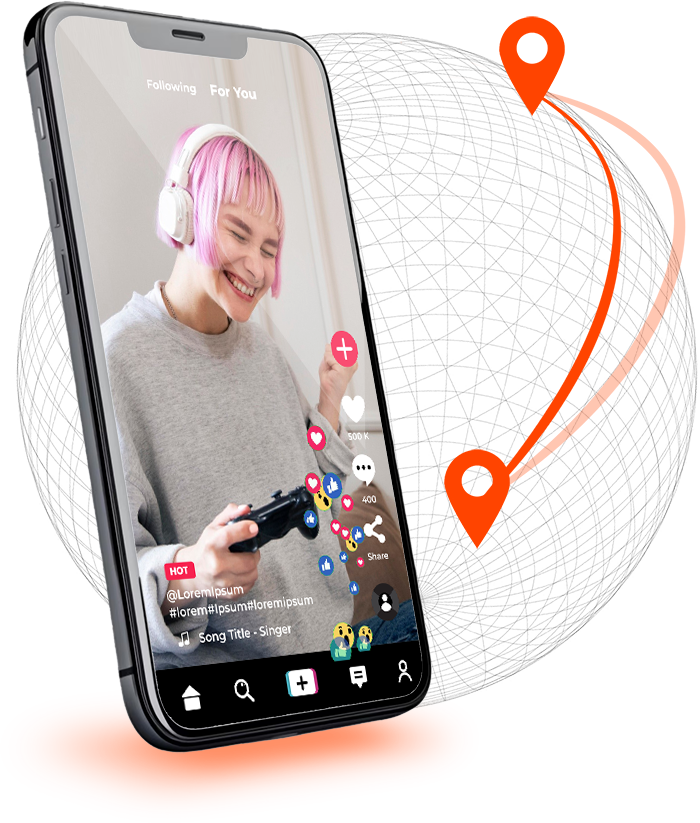
Consistent performance across regions for web traffic and real-time streaming. Traffic automatically takes the fastest and most reliable path, keeping live video smooth, low-latency, and stable even under traffic spikes, with no manual tuning or vendor lock-in.
Related Products
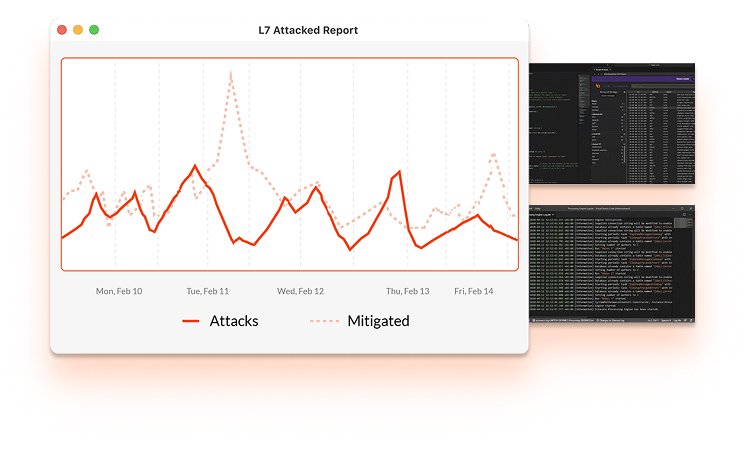
Keep apps, APIs, and network edges continuously protected against DDoS, bots, and application threats. Security runs continuously in the background, so protection never slows down your business.
Related Products
“For an institutional digital asset custodian, consistency in access control, auditability, and cross-region security is critical. SIRAYA helped us bring governance, performance, and Zero Trust security together under a framework our teams can actually operate at scale.”
—— Chief Information Security Officer, Cobo
“The start of each school term and enrollment period has always been our most critical traffic peak. In the past, this often led to slowdowns or outages. After the migration, the system handled peak enrollment traffic smoothly and significantly reduced the pressure on our IT team.”

OTT platforms rarely fail under steady VOD traffic. They fail during a live event or a sudden traffic spike, because that’s the one moment where

Pin every production workload to a dated model snapshot, never a floating alias, and gate every version change behind an evaluation that measures consistency across

Most teams manage foundation model lifecycle by reading a deprecation notice and migrating before the retirement date. That process fails in production because deprecation notices